
Backstage Pass: Get to know Leif Ove Andsnes
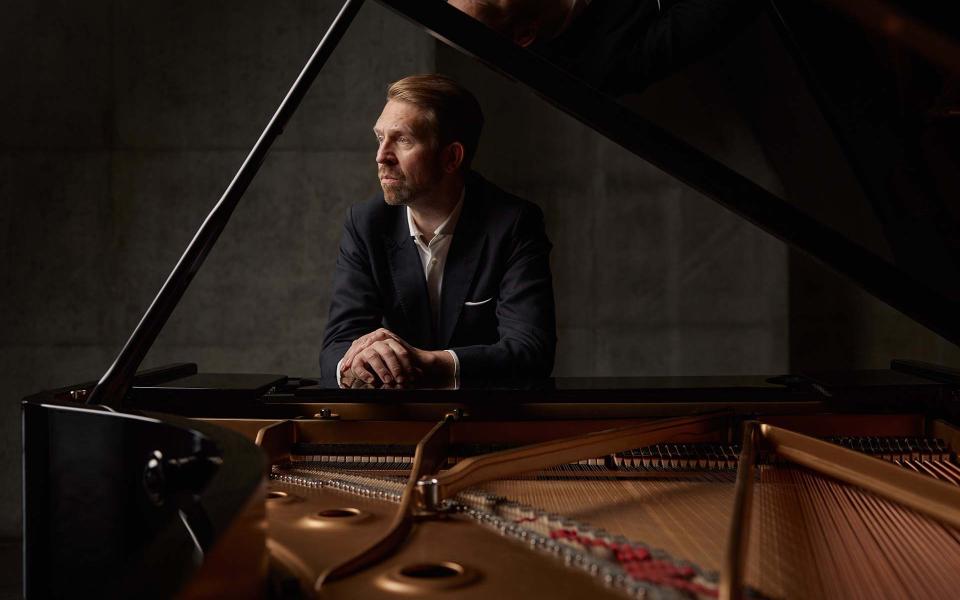
You’ve chosen Beethoven’s Piano Concerto No. 3 for this concert – what draws you to this piece in particular?
I adore the restless Sturm und Drang quality of it – the questions and answers, the short, questioning phrases, the emotional intensity, agitation and playfulness.
The solo cadenza of the first movement is a highlight: dramatic, and experiments with sound, like those long trills that will also occur so much in his later piano music.
And then there is the haunting end of the first movement, with the orchestra entering with the open-string chords and the silent heartbeat motif in the timpani. It is one of those places I remember hearing as a child and thinking: “Wow, this is something else.”
Then suddenly the stillness, beauty and space of the second movement, in E major – so very far from the C minor of the first. Magical.
You have previously recorded much of Beethoven’s piano works. How would you describe your relationship with Beethoven and his music?
He feels essential in my life. Sometimes, when I have been in a darker or uncertain place in my life, I have literally felt that Beethoven’s music takes my hand and holds on to it.
As part of your career, you perform as a chamber musician as well as a soloist. In which ways does preparing for a concerto differ from preparing for a chamber concert?
Less than one might think. Obviously, I might have to project more in a hall when playing with 50 or 70 orchestra members than when playing in a duo with one partner. But both are about give and take.
You have to give a clear voice to your own part, but listen very attentively to your surroundings too. There are many places in concertos where the soloist is accompanying different groups or individual players in the orchestra.
The nature of a concerto might sometimes be more of a virtuoso display than in most chamber music, but most pianists would probably tell you that playing a Beethoven violin sonata, like the Kreutzer, can be as demanding as playing any of the concertos.
Outside of music, what’s your favourite thing to do when in London?
Walk around this great city. Hopefully see something interesting at a gallery or museum, eat good food, see friends. And for the last year I have also been a guest professor at the Royal Academy of Music, so I try to fit in a few hours of teaching when I am in London.
If you didn’t play piano, which instrument would you choose and why?
I adore the violin, but I think I would have to choose singing. Somehow, using your own voice feels like the most natural of all forms of musical expression. And when it works, nothing moves me more.
I have literally felt that Beethoven’s music takes my hand and holds on to it
